the future: theme and variations
Back to: the violin maker
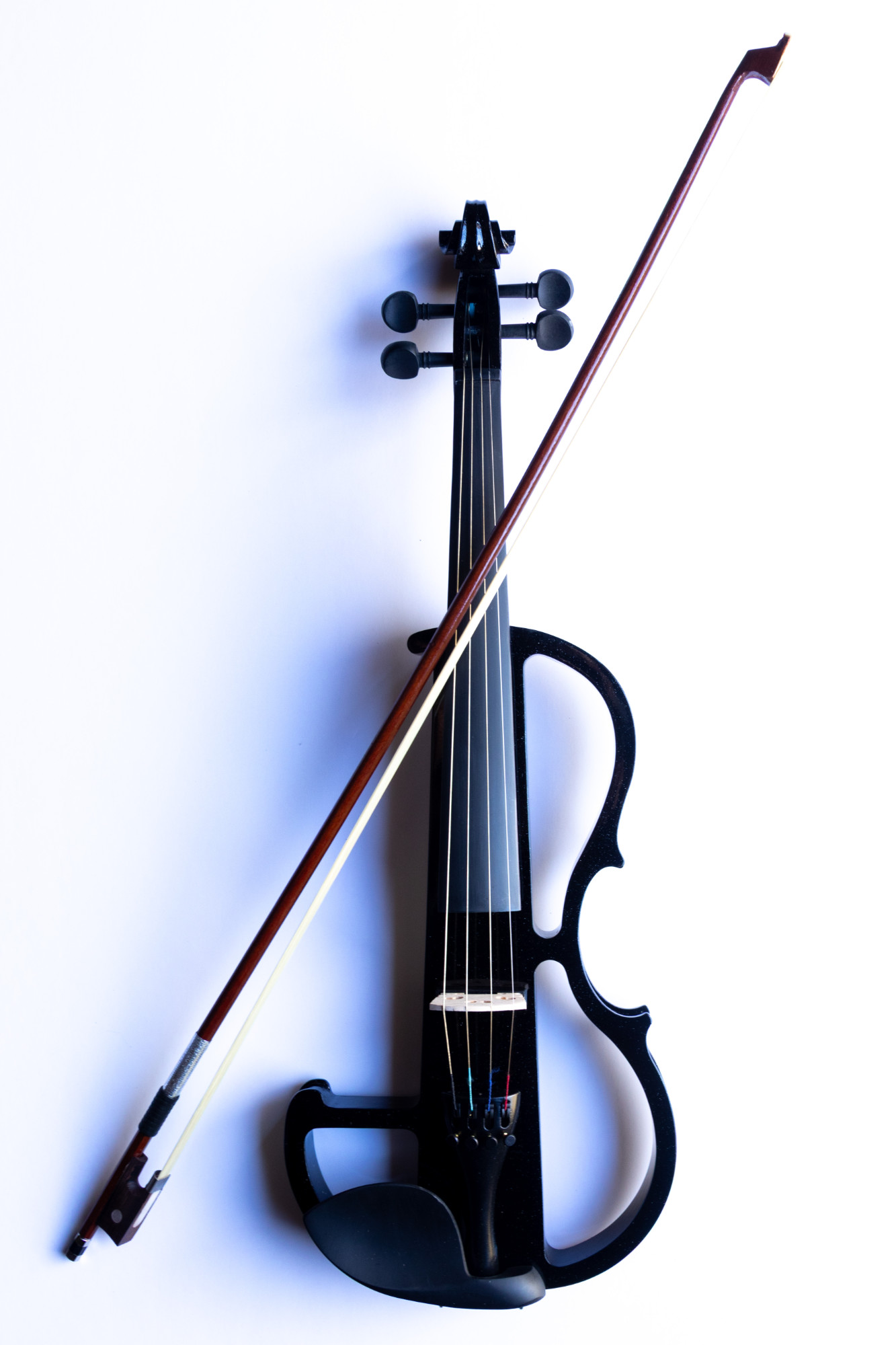
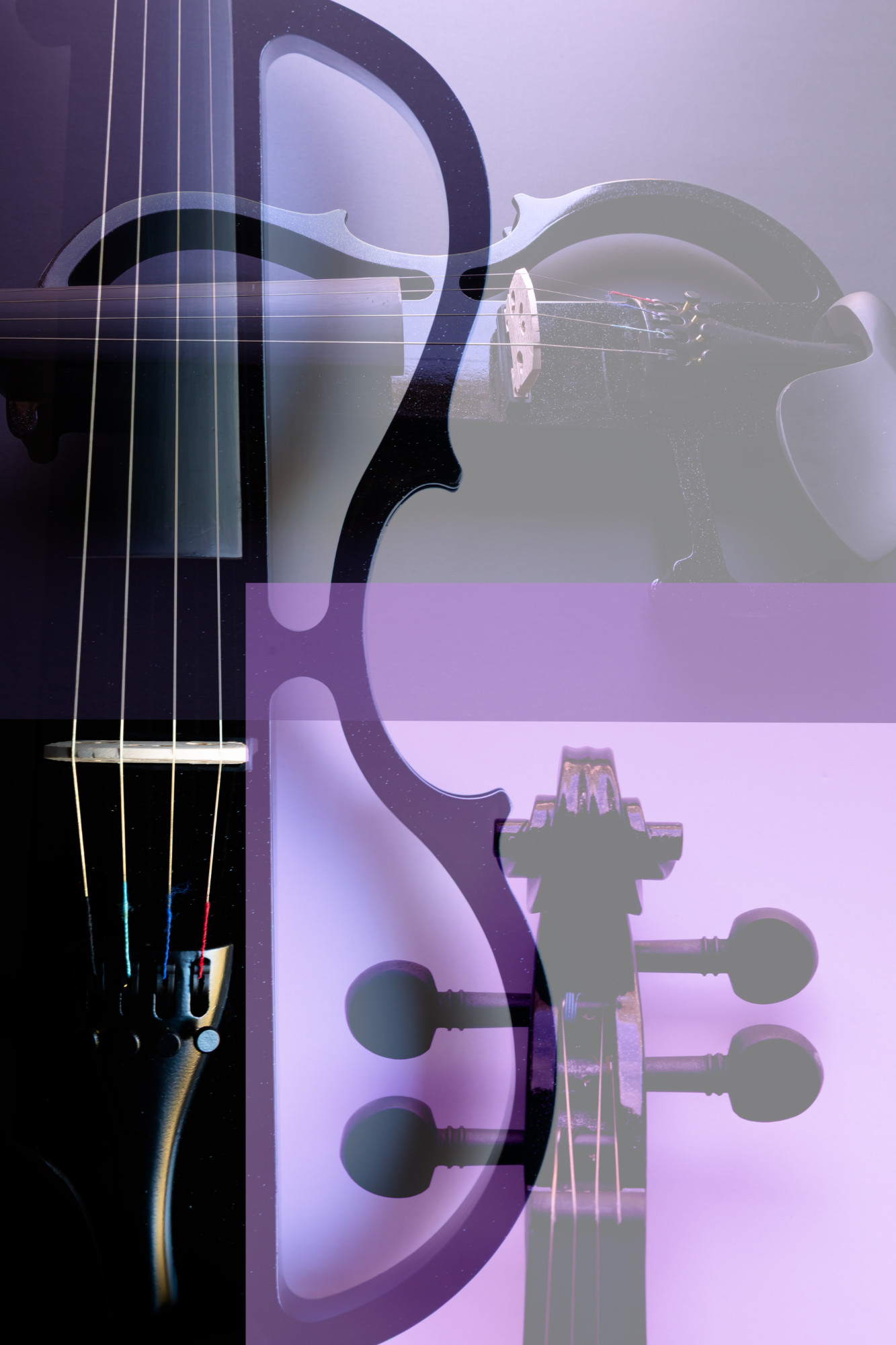
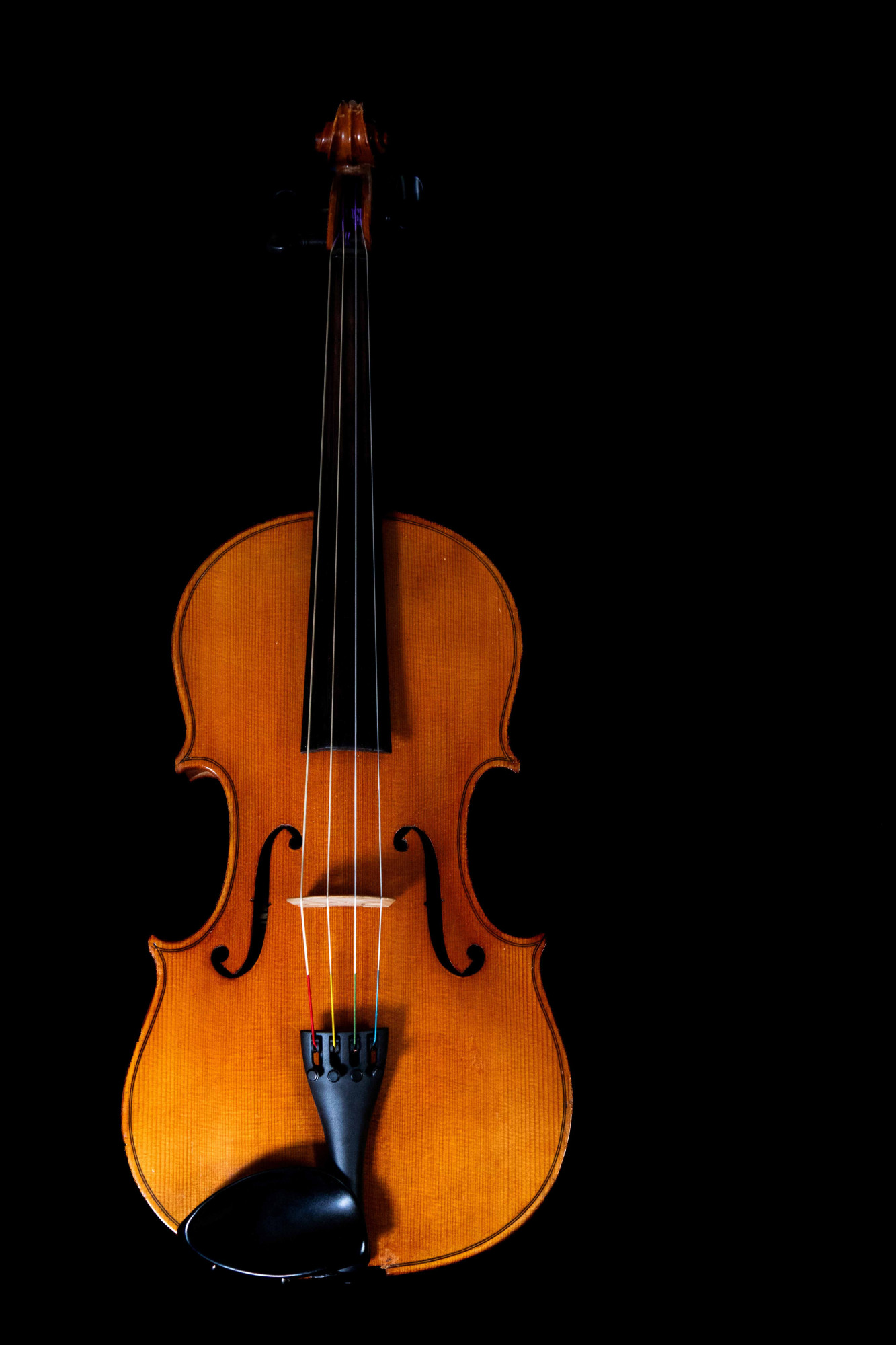
Up to this point, the photography in this project has focussed on the violin as a traditional stringed instrument made by hand in an artisan workshop. But other instruments have emerged as technology has moved on and tastes and styles have changed. The growth in electric violins (and cellos) has extended the repertoire of the violin and brought classical music to new generations, as well as inspiring new fusions of music. A performance by, for example, Nigel Kennedy, who I saw in concert in March 2026, is always an eclectic and magical mixture of musical genres, where the ranges of both the classical and the electric violin are taken to new and exciting extremes.
The basic shape, structure and playing technique of the electric instrument has maintained that of its traditional template, albeit the method of sound generation is completely changed. Such innovations and challenges to the status quo must be pioneered as that is where new ideas of performance and composition are found as well.
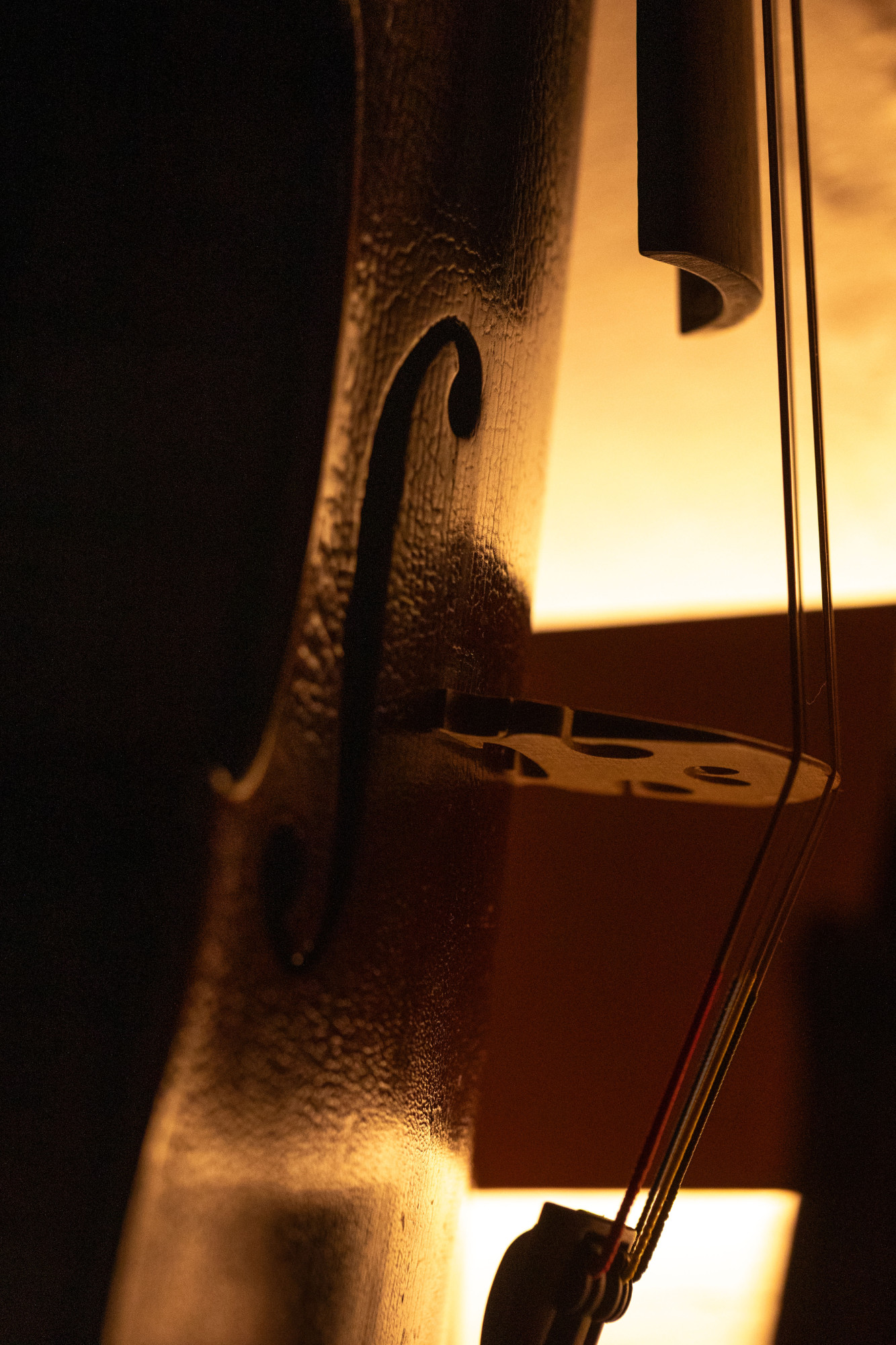
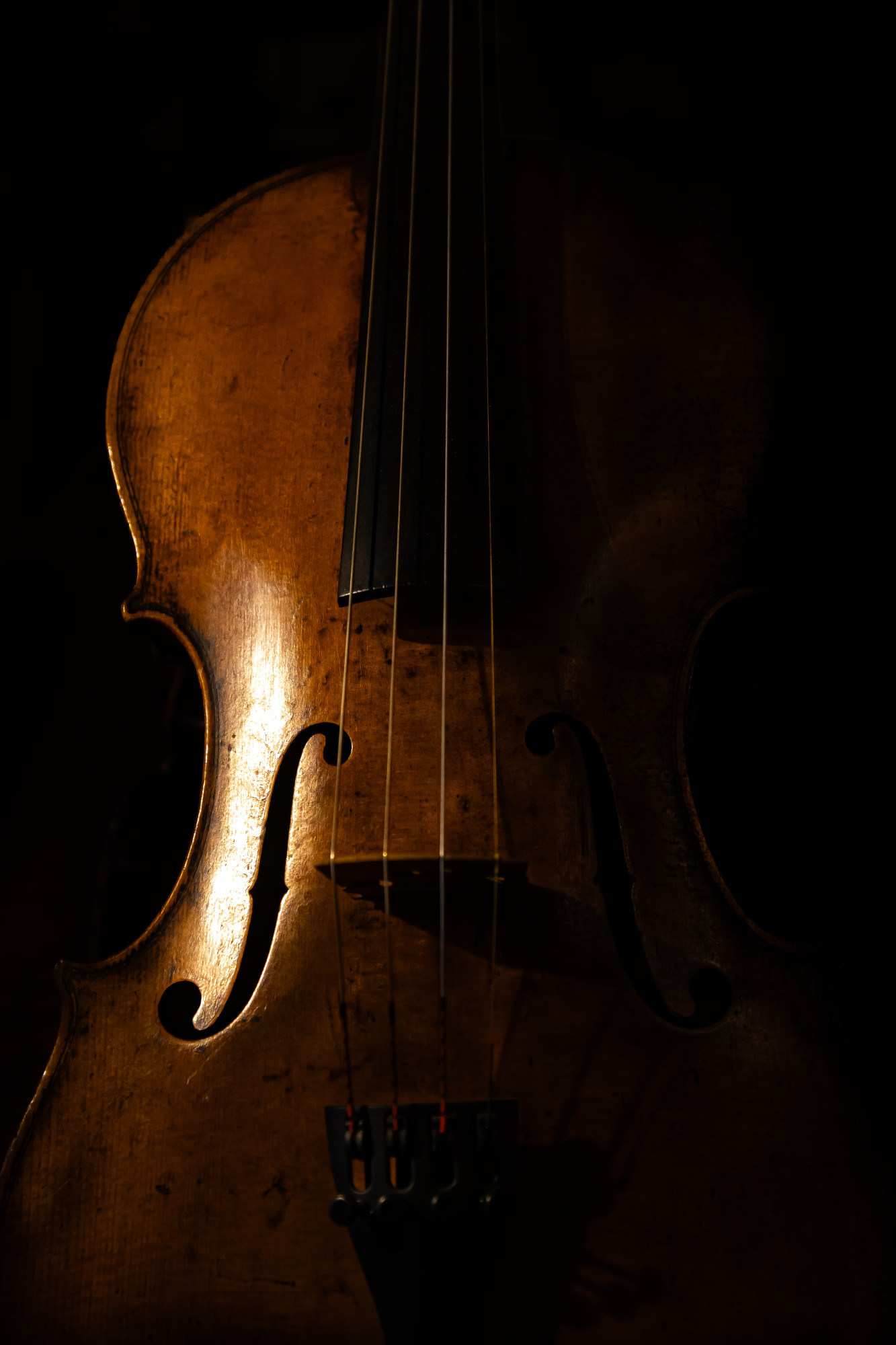
And yet the traditional violin is stubborn. What was perfected in the workshops of Cremona in the 16th century has proved remarkably resilient to any significant improvement in sound or appearance and the unique instruments of Stradivari and Amati are still in great demand for performance by professional musicians.
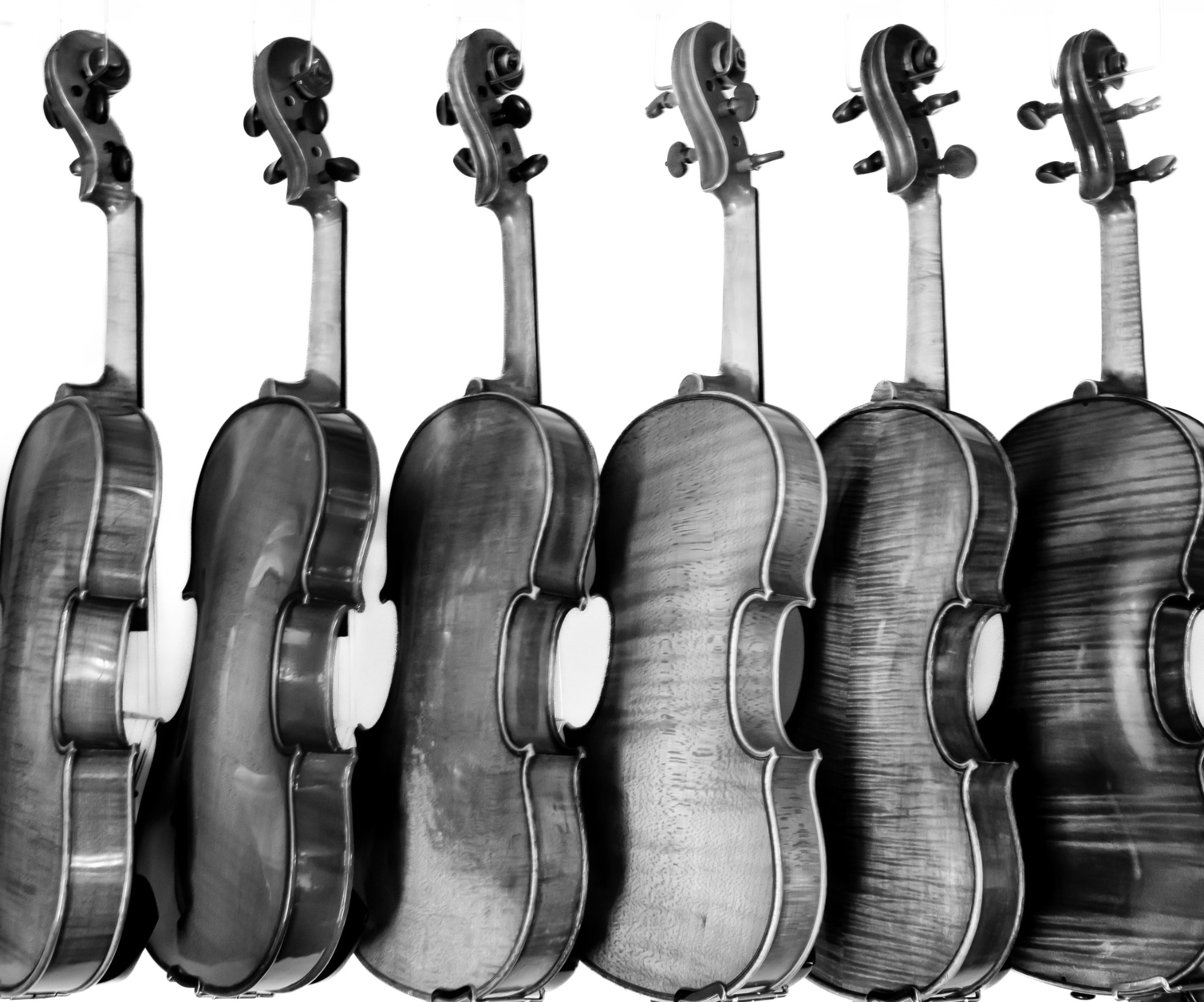
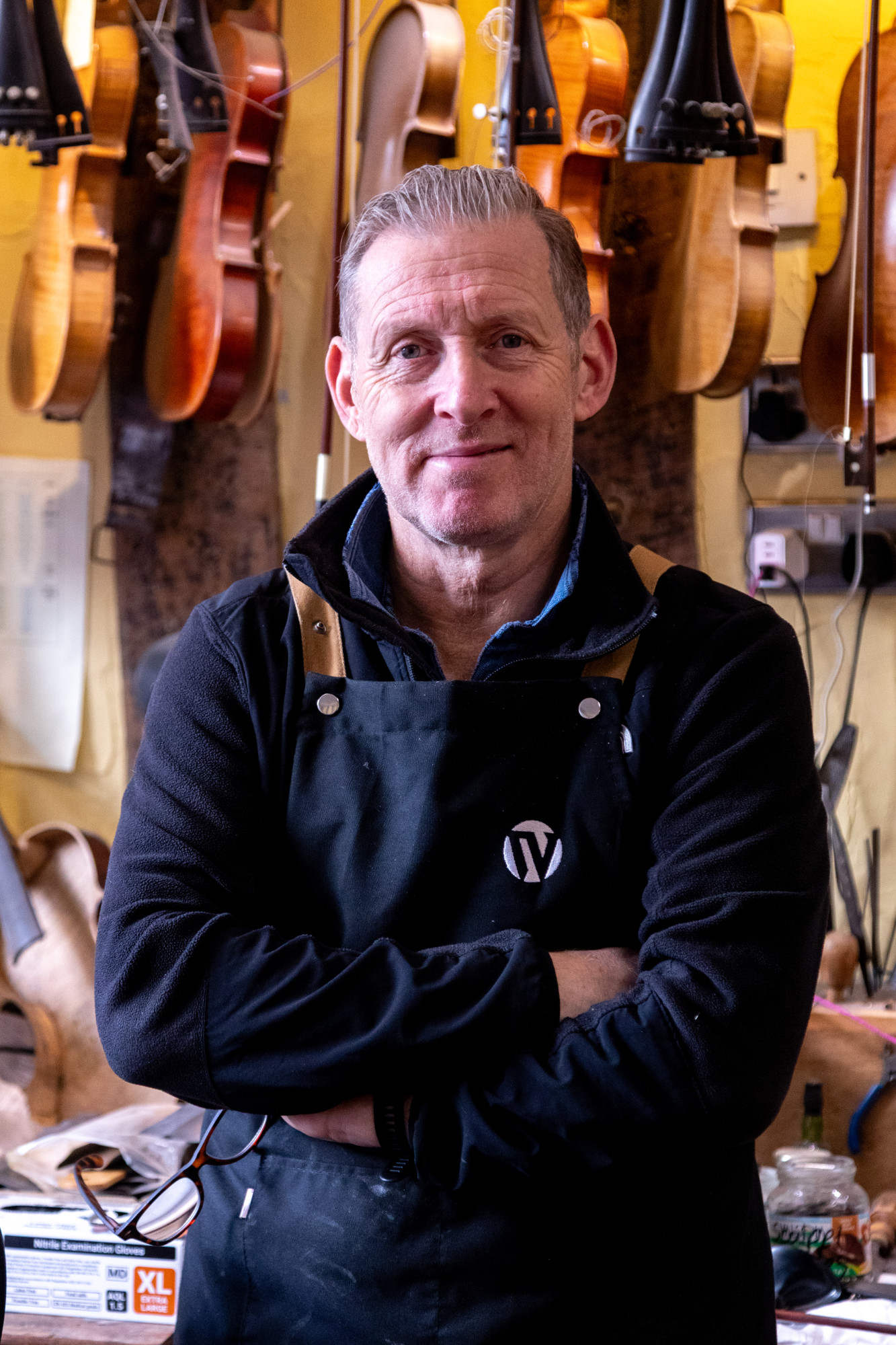
It is workshops like those of Russell in Woodbridge and Riccardo in Venice that the skills and experience of those traditional violinmakers are maintained and passed on to new generations. By their work in creating new instruments and repairing and restoring older ones, the future of the violin and its music will hopefully remain in safe hands.